7 Reasons That Bruise Scares Your Paramedic More Than It Scares You
From the paramedic who built the bracelet 17,000 women on blood thinners wear.
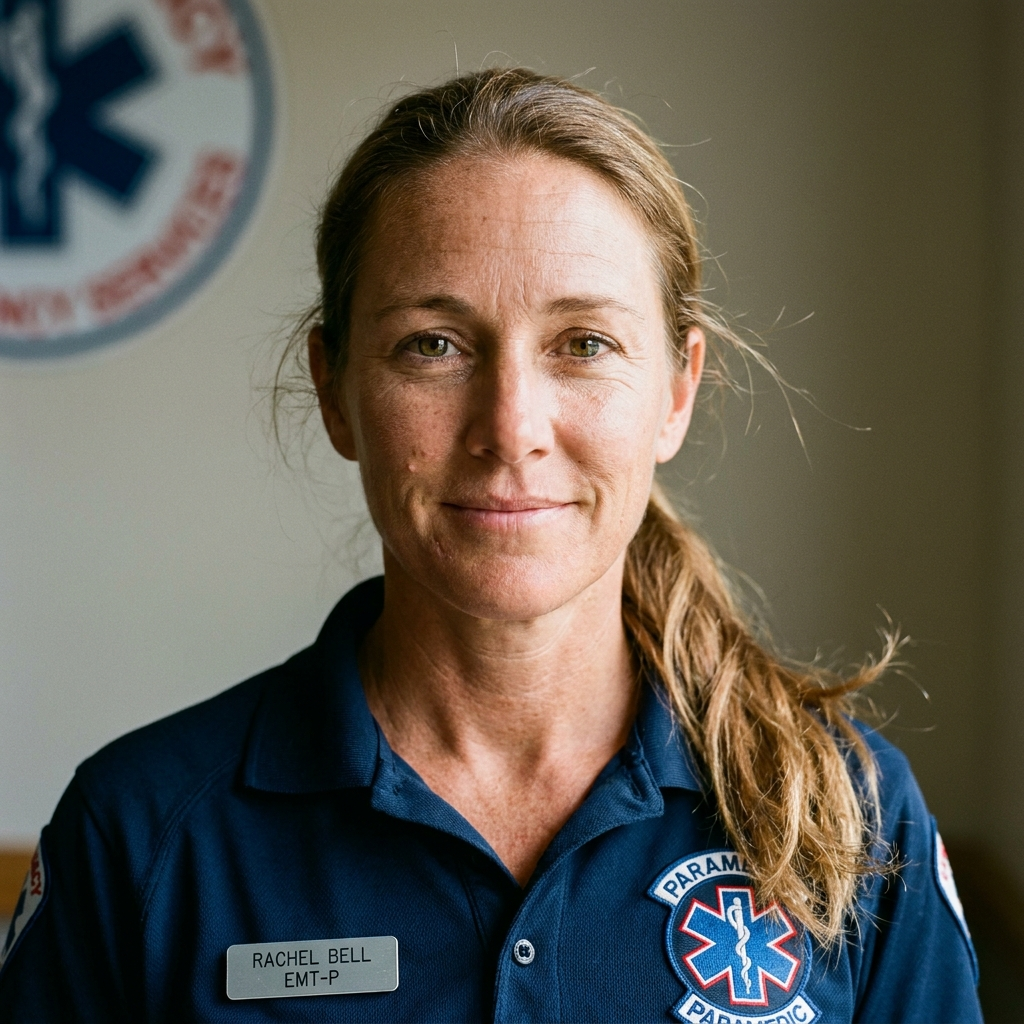
You woke up with a bruise the size of a book and no memory of earning it. Twelve years on an ambulance taught me what that bruise actually is: a preview of what your blood does now, every time anything makes it move.
The bruise is not what kills women on blood thinners. The silence after a fall is. The phone is locked. The wallet is in the other room. And the crew that reaches you has sixty seconds and no information. Every paramedic in this country runs the same first move to close that gap. We call it the wrist check.
I started WristAlert after a call I could not fix. Here is why 17,000 women who bruise exactly like you do wear this bracelet and refuse to take it off.
1. The wrist comes first. Before your name.

When we reach a woman who has gone down, we do not start with questions. We run the same sweep every crew in the country is trained on: airway, pulse, wrist, neck, chest. The wrist comes before your name. It is the one place we are all trained to look for the thing your body cannot say.
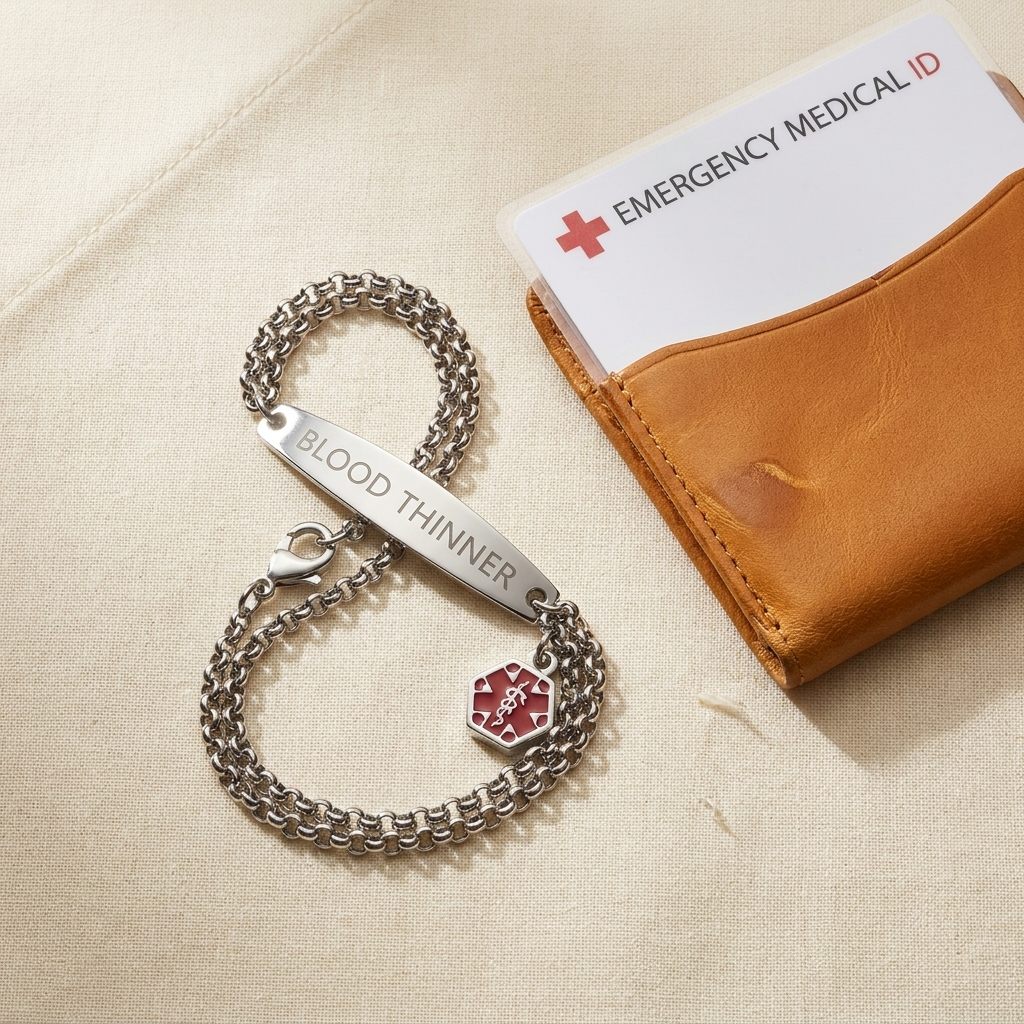
That is why the Wrist-Check Bracelet carries two words in surgical steel, BLOOD THINNER, sitting exactly where I already look. When I read it, the first drug I reach for is the one that saves you, not the one that makes the bleed worse.
👉 See the bracelet trauma teams read first →
But before the wrist check matters, you need to understand what that bruise on your arm has been trying to tell you.
2. That bruise is your blood telling on itself.
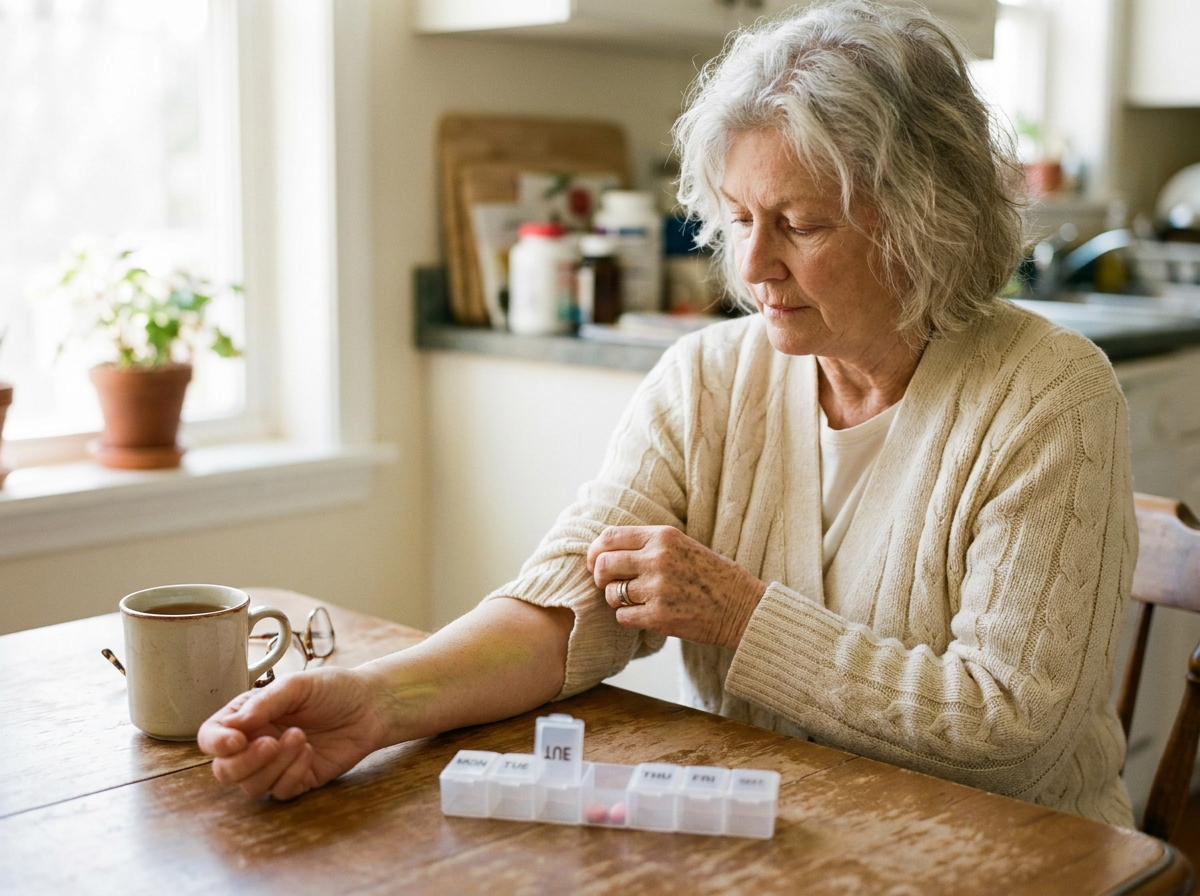
A bruise the size of a book from a bump you never felt is not bad luck. It is your blood doing everything easier now: easier to thin, easier to spread, easier to leak. The same change that paints the bruise is the change that turns a fall on a morning walk into a bleed that does not stop on its own.
That is not a reason to stop the pill. The pill is right. It is the reason the crew that reaches you has to know in second thirty, not minute five. The bruise already proved how fast your blood moves. The bracelet makes sure the person treating you knows it too.
👉 Put the answer where the crew looks →
So how long do you actually have before the guessing starts? Shorter than anyone has told you.
3. Sixty seconds. And everyone who could speak for you is somewhere else.
The decisions that end up in your bloodstream get made in the first 60 seconds: the IV I run, the medication I pull, the hospital I route to. Once they start, there is no undo. On a blood thinner, the wrong first drug does not just fail. It makes the bleed worse.
And in that minute, everyone who could speak for you is somewhere else. Your cardiologist cannot be there. Your daughter cannot be there. The pharmacist who filled your Eliquis three days ago cannot tell them. Your phone is locked. Your wallet is in the other room. Every year 2.6 million people are treated wrong because nobody at the scene knew. 250,000 of them die. Not from the fall. From the silence after it.
👉 See what speaks when you can't →
Which is where the small, uncomfortable question comes in. Prescriptions change. Most bracelets stop being true the day they do.
4. One engraving. Every blood thinner. For life.
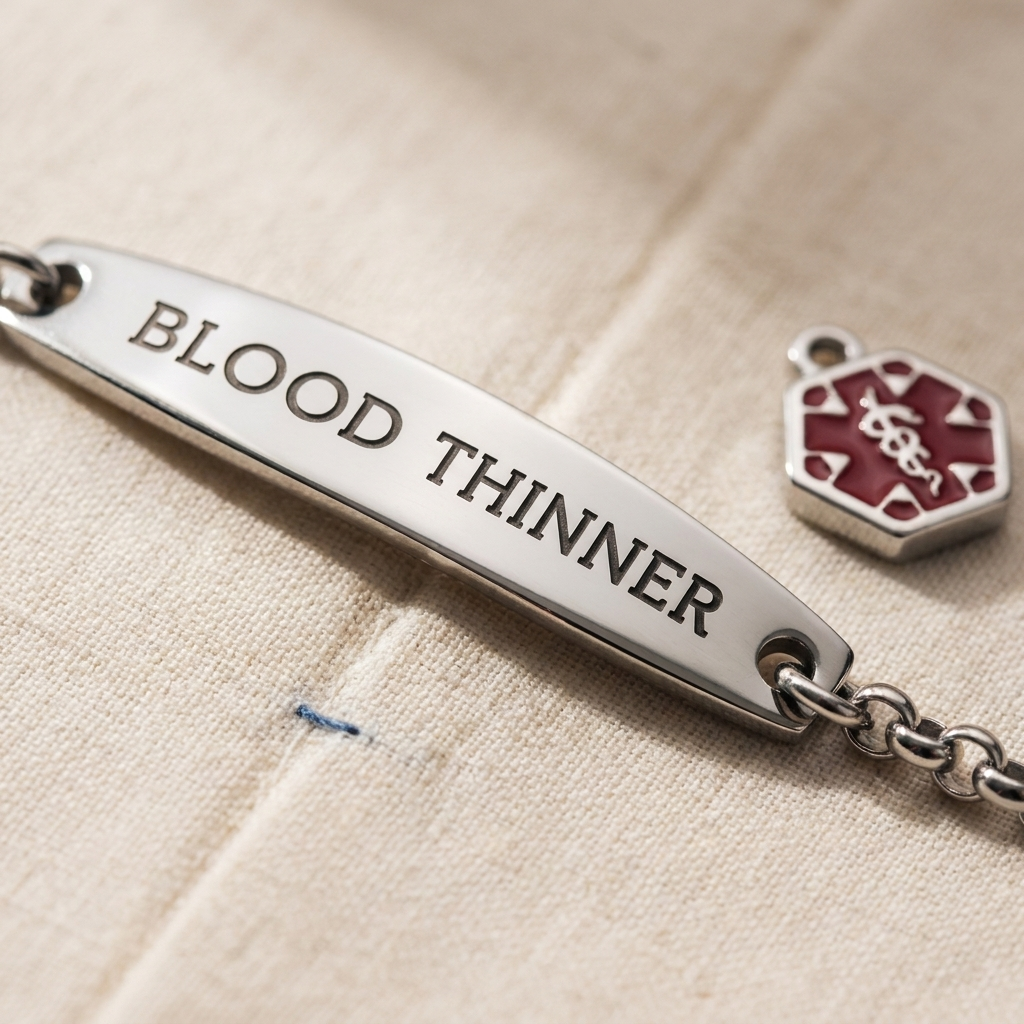
Eliquis today. Maybe Warfarin next spring. Cardiologists switch anticoagulants for cost and side effects more often than most patients expect, and a bracelet that says XARELTO becomes a lie the day your prescription changes.
This one is engraved with the category your body is in: BLOOD THINNER. It stays true through every switch. To a trauma team those two words mean one thing on the first read: clotting is compromised, treat accordingly. The free Emergency ID Card carries your specific medication, and that one updates whenever your prescription does.
👉 Get the engraving that stays right →
The engraving solves what the crew reads. The next question is what everyone else sees.
Two Words. One Wrist.
Put the words between you and the wrong IV.
The bracelet is $24.99, once. The wrong first drug is the rest of your life, or the end of it. There is not a closer decision on the internet tonight.
GET MY WRIST-CHECK BRACELET →5. You will not look sick. You will look like you.
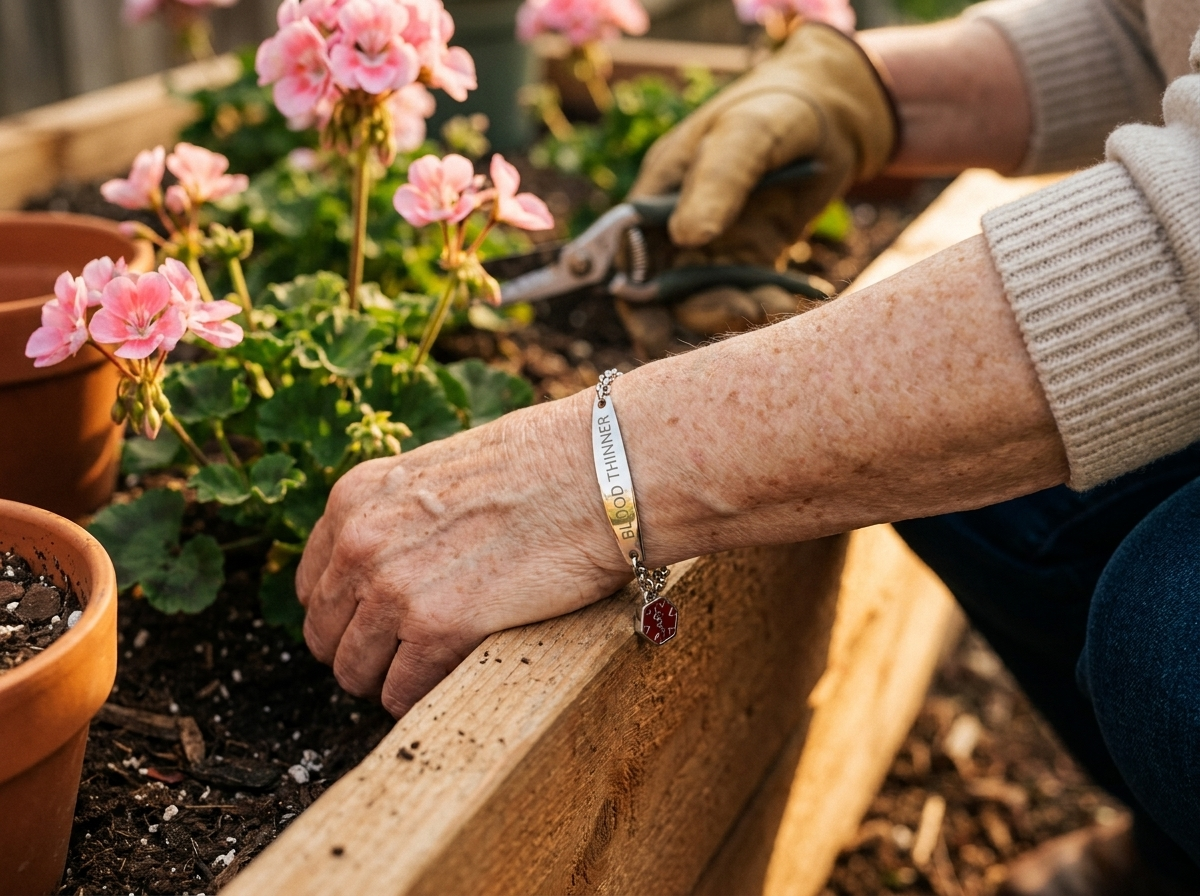
"I don't want to look fragile." It is the sentence I hear most, and about the old tags you were right. The medical IDs of the 1990s looked like hospital equipment, and no woman wants to wear her diagnosis to her granddaughter's recital.
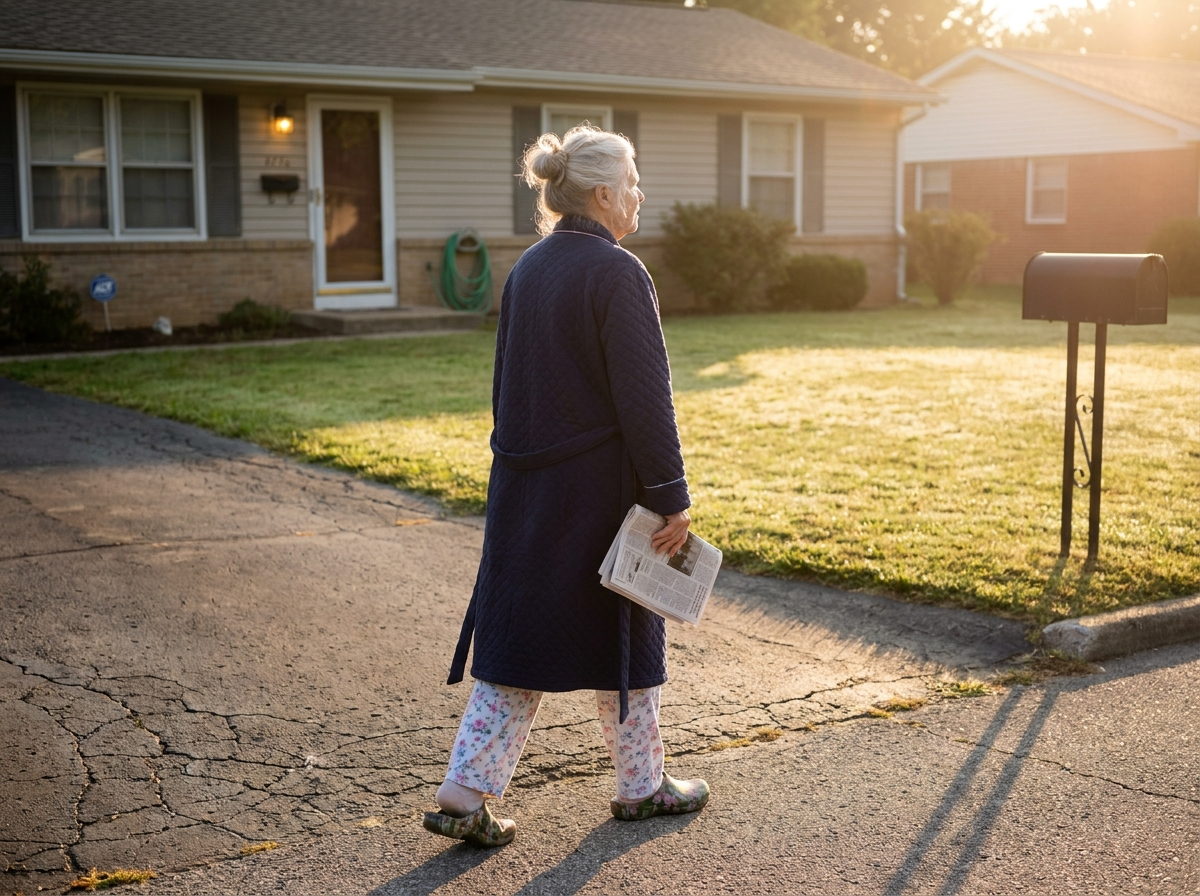
So look at what you keep. You still drive. You still garden. You still walk to the mailbox at 7 AM. The bracelet is a polished plate on a rolo chain, the Star of Life a small charm, not a billboard. Half the people who see it think it's jewelry. The half who matter read it in one look.
There is just one condition, and it is the one everything else hangs on. It has to be on your wrist when it happens.
6. It only works if it is on when the fall happens.
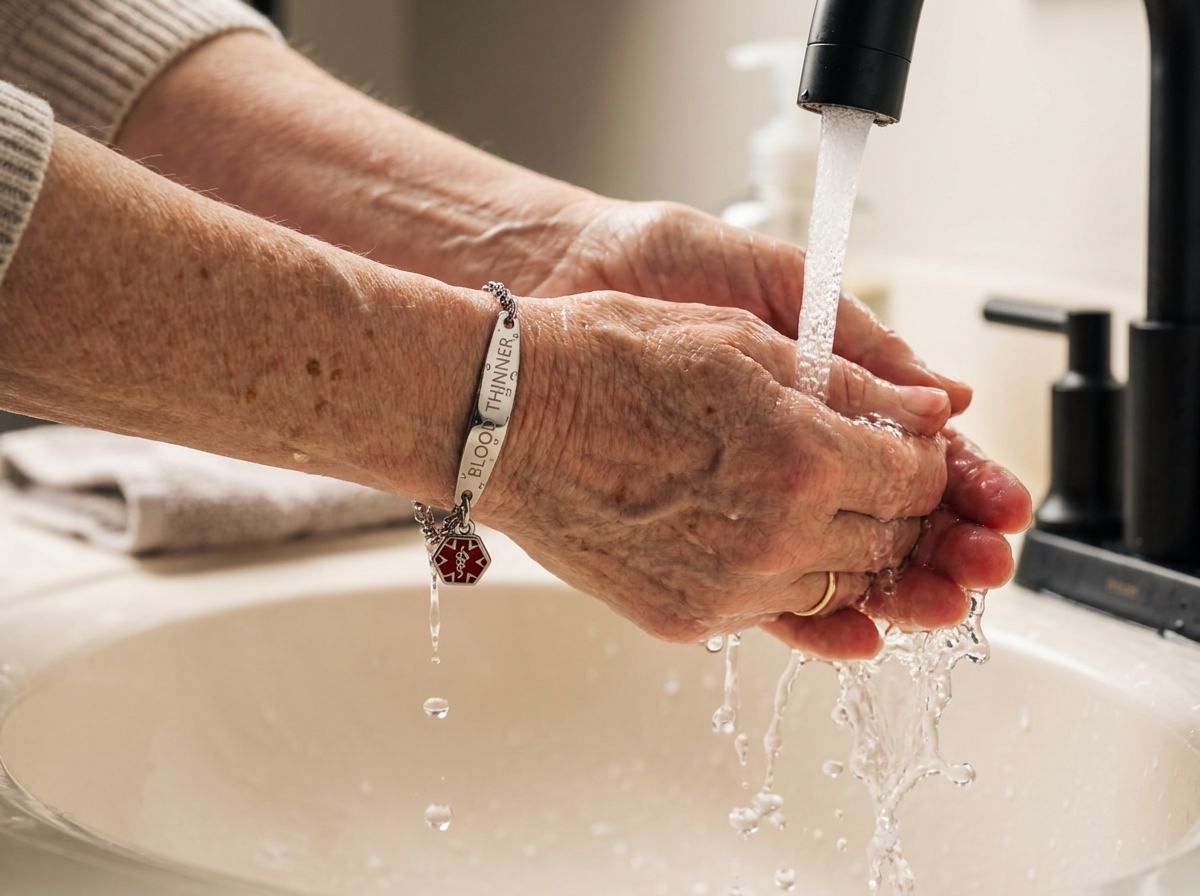
The phone comes off in the shower. The watch comes off at the sink. The purse stays on the counter. The bracelet is the one piece of information about your bloodstream that is with you where most falls actually happen: in a bathroom or a kitchen, barefoot, alone, on a Tuesday morning.
316L surgical steel. Hypoallergenic. Laser-etched, so the engraving does not fade in a shower, a pool, or six years of dishes. It goes on the day it arrives and stays there. It is on when your fall is at 3 AM, and it is on when your fall is at 3 PM. That is the entire job.
👉 See the bracelet built to stay on →
So who is actually wearing this every day? The women who wrote us the sentence we could not stop reading.
7. 17,000 women. One phone call that changed.
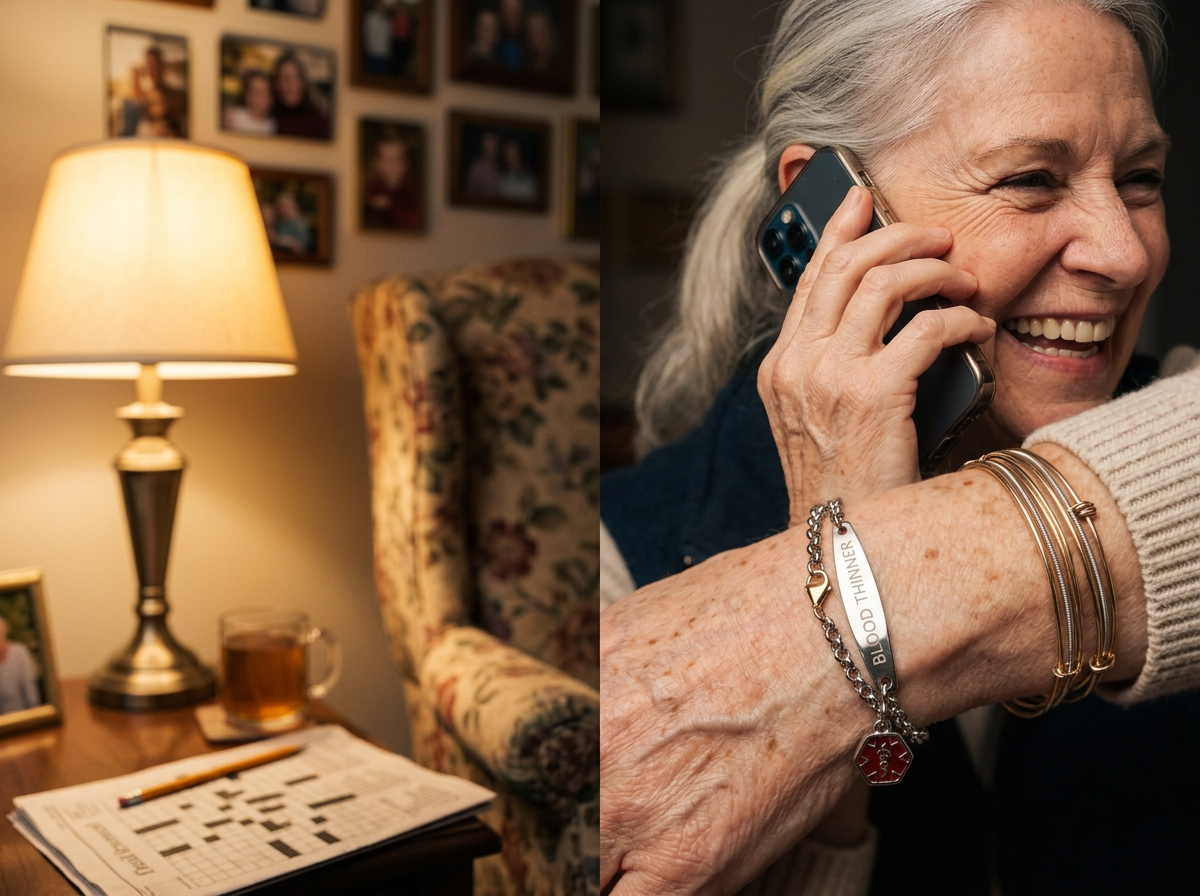
"Blood thinner lifer" is what the women who wear this call themselves. Not fragile. Not sick. On a blood thinner for life, and planning on a long one. More than 17,000 of them wear this bracelet every day across the US, Canada, the UK, and Australia.
The letters they write me are not about the steel. They are about the daughters. The twice-a-day "are you still breathing" call becomes just a call. Nine days, one woman wrote, since her daughter asked. That is what this piece of steel actually buys: not protection from the fall. A different phone call after it. I have been the crew on the other kind. I built this so fewer of those calls get made.
Two Free Gifts. Zero Risk. One Wrist.
Right now every Wrist-Check Bracelet ships with two free gifts: the Emergency ID Card and its case, the paper backup that carries your specific medication name.
Wear it for 60 days. If it isn't right, send it back for a full refund and keep both gifts. The engraving carries a lifetime warranty, and the Lost-Bracelet Promise replaces the bracelet free in your first year. No questions, no proof required.
You'll see the exact offer on the next page. This bracelet sold out six times last year. If you're on a blood thinner tonight, this is the two-minute version of taking care of yourself out there.
Last Word
Flash Sale ends in 23:00
Wear it before you need it. Not after.
Seventeen thousand women made the switch. The next wrist a crew reads should be wearing the answer. Do it while your Flash Sale is still open.
GET PROTECTED TODAY →