7 Things I Learned When My Mother Died on a Blood Thinner (and the One She Left in a Drawer)
My mother's name was Carol. She was 74, she lived on her own, and she took Eliquis for an irregular heartbeat. On a Tuesday in February she caught her head on the freezer door, decided it was nothing, and went to bed. I found her the next morning.
She was right about the bump. It was nothing. On a blood thinner, though, nothing bleeds quietly for hours. She was still breathing when they carried her out. What she did not have on her was the one thing that would have told them why she would not wake up.
I am not a doctor and I will not pretend I understand the medicine. I only know what I was told afterwards, by people who had no reason to soften any of it. Here are the seven things I found out.

1. He Checked Her Wrist Before He Checked Anything Else
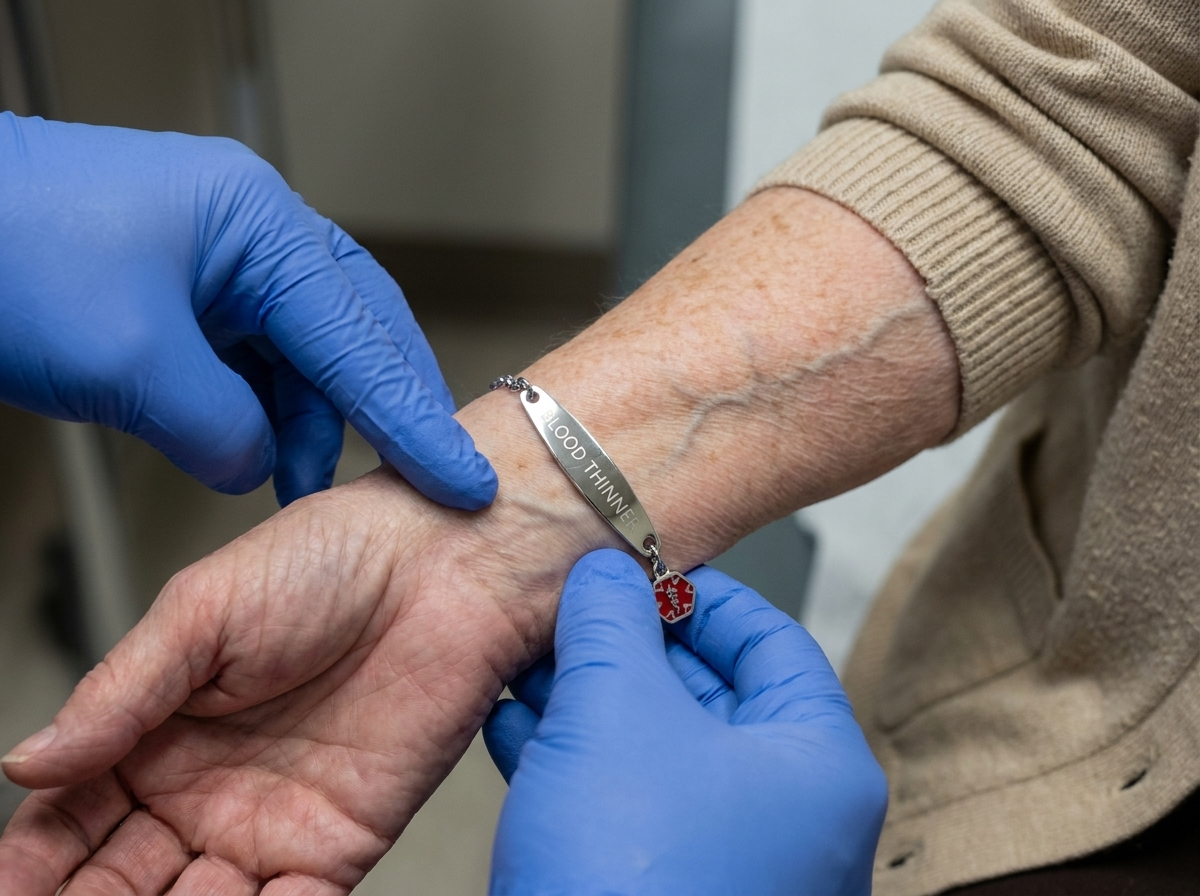
The medic who reached her was called Anthony. He was kinder to me that morning than I had any right to expect. I asked him afterwards what the first thing he did was. He said he took her wrist to find a pulse. That is where his hands went, before her bag, before her phone, before anything else in that house.
He said it is not a search. It is a sequence, and every crew runs it the same way. Airway, breathing, circulation. Circulation means the wrist, in the first few seconds, every single time. Anything on that wrist gets read for free. There was nothing on my mother's.
2. Fourteen Hours. Nobody Knew.

She caught her head a little after nine at night. I found her at eleven the next morning. For fourteen hours my mother was a woman nobody could ask. She was not unconscious for all of it. Some of it she was simply asleep, and that is the part I cannot get past.
Count your own week honestly. The hours in the garden. The drive to your sister's. The night after your show finishes and the house goes quiet. Every one of them is time when the only thing that can speak for you is what is on your body. My mother had nothing on hers.
3. I Found Every Backup She Had. Not One Was Any Use.
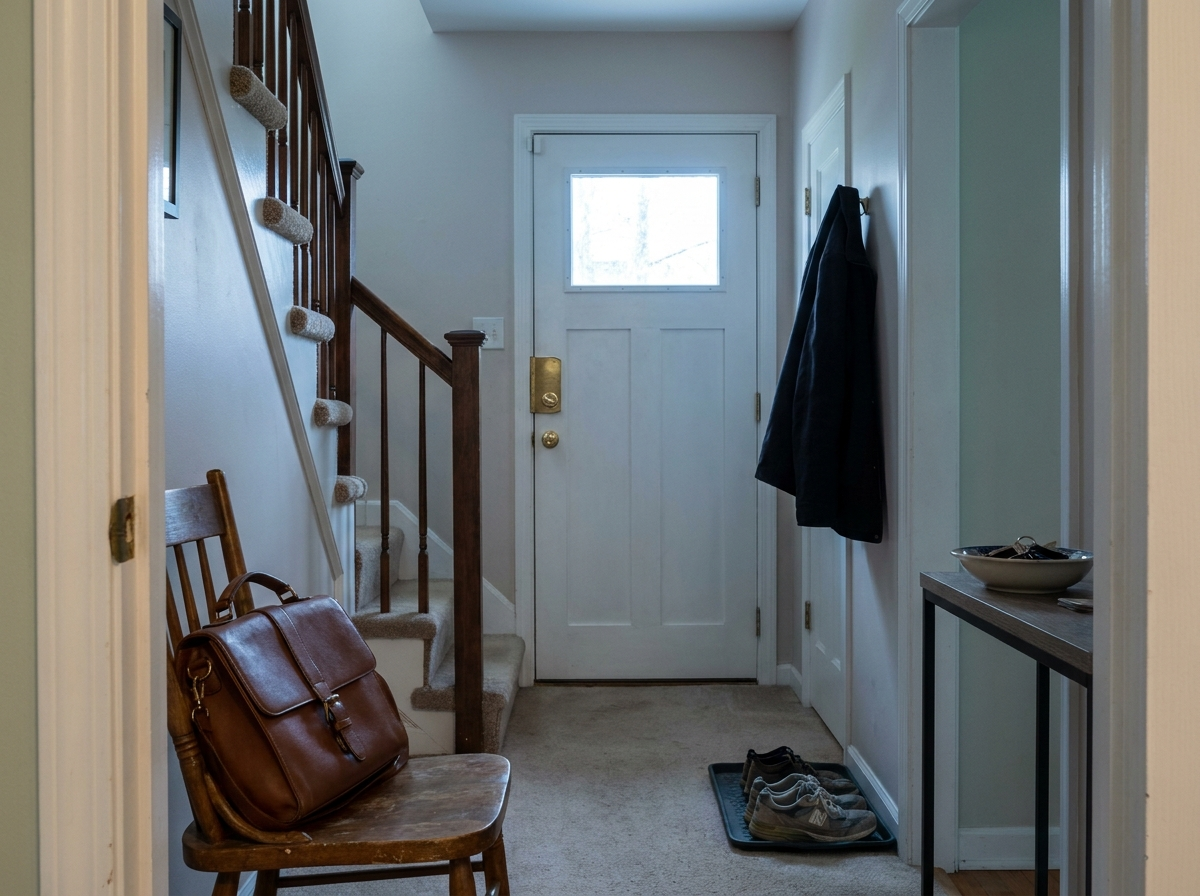
Her wallet card was in her purse, on the chair in the hall. Her phone was on the kitchen counter, face down and locked. My number was in it under Dana, which is not the same as being reachable. The list of her medications was on the fridge, in the room she was not in.
Anthony told me they do not go through the house. There is no time and it is not their job. The only information that counts is the information on her. Everything my mother had done to be careful was in another room, being careful at nothing.
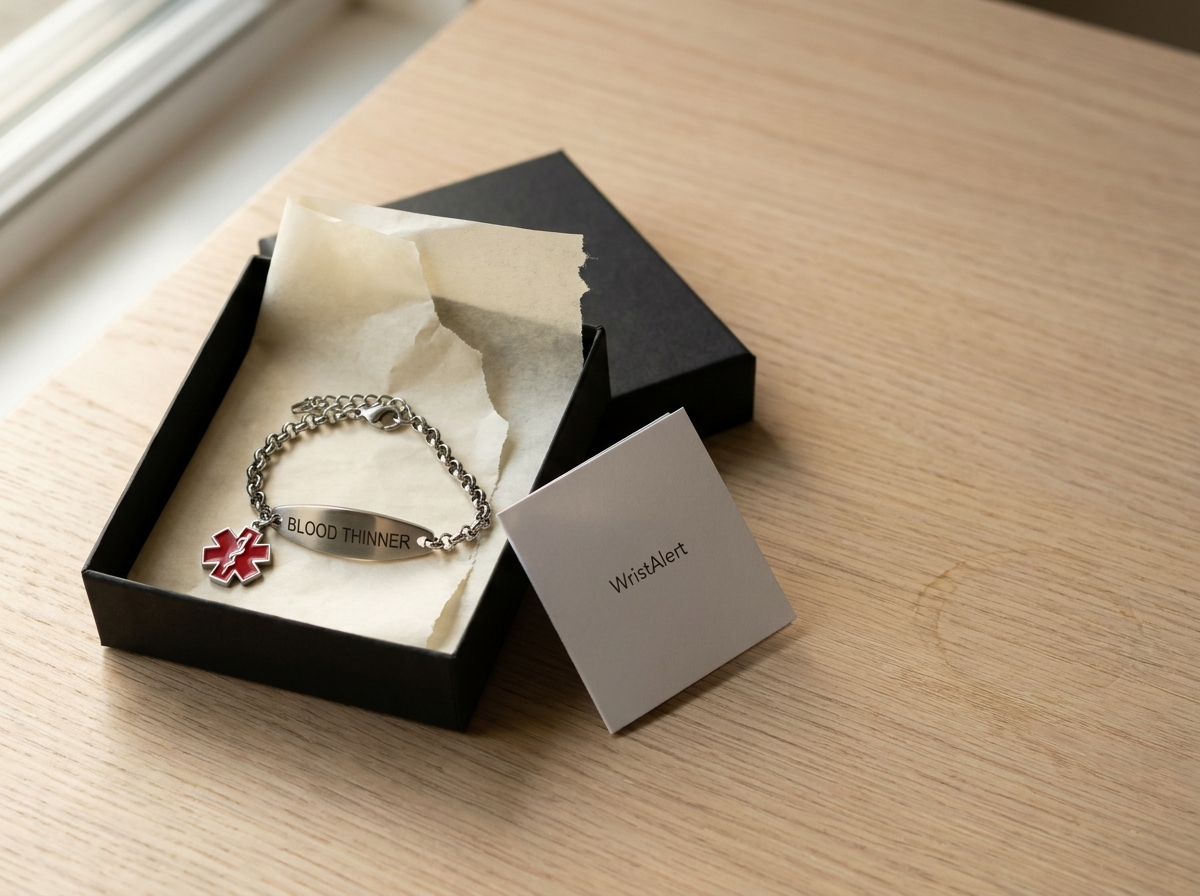
The Two Words That Were Not on My Mother's Wrist
They do not need your whole history. They need to know your blood is thinned, and they need it without asking you a single question.
SEE WHAT IT LOOKS LIKE →🛡️ 60-Day Money-Back · Two Free Gifts · No Subscription. Ever.
Flash Sale →4. The Card in Her Bag Was Two Prescriptions Out of Date
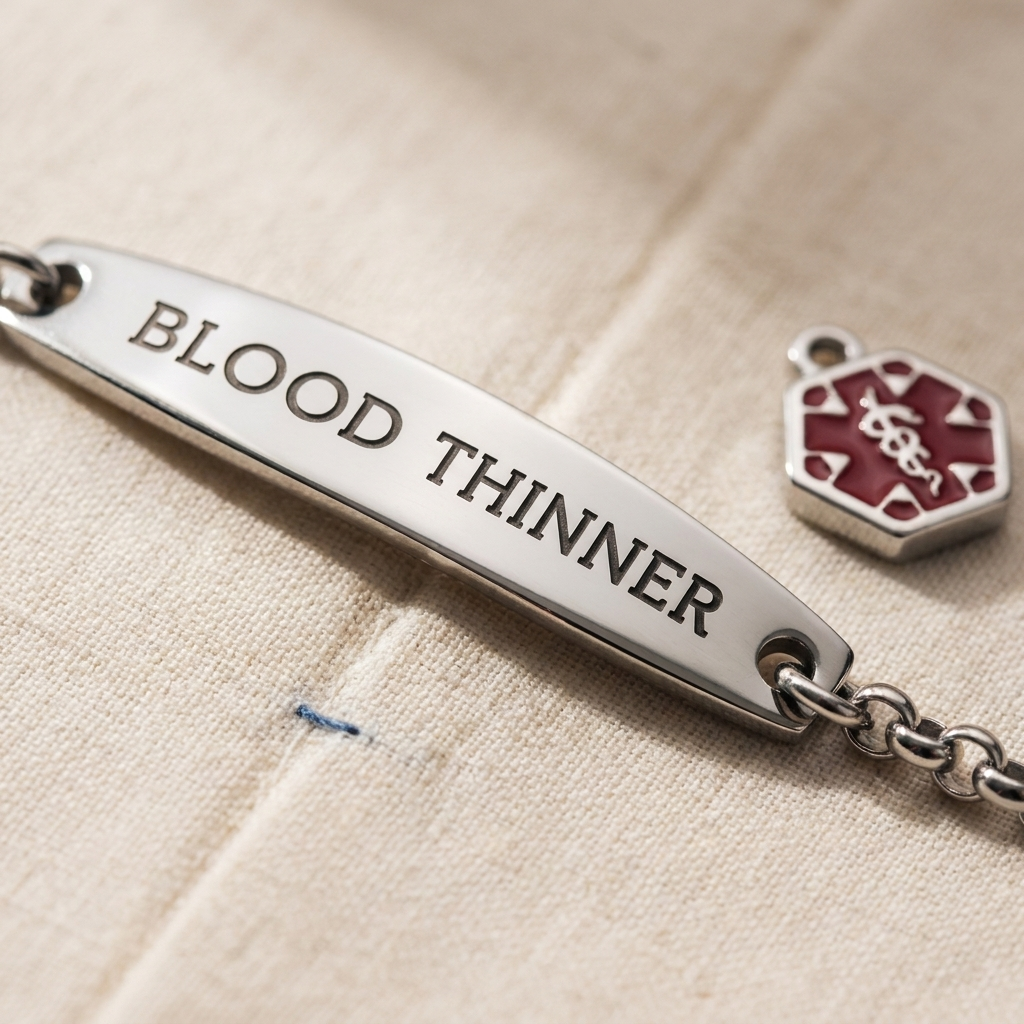
She had been switched twice. Warfarin to Xarelto when the monitoring got tiring, then Xarelto to Eliquis the year after. The card in her purse still said warfarin. She had written it herself, in her own hand, in 2019. She had simply never thought to redo it.
This is the part I would tell her if I could. A crew does not need the drug name. They need to know the blood is thinned, because that changes what they give her and where they take her. Two words stay true through every switch a cardiologist ever makes.
5. I Bought Her One. It Was Still in the Drawer.
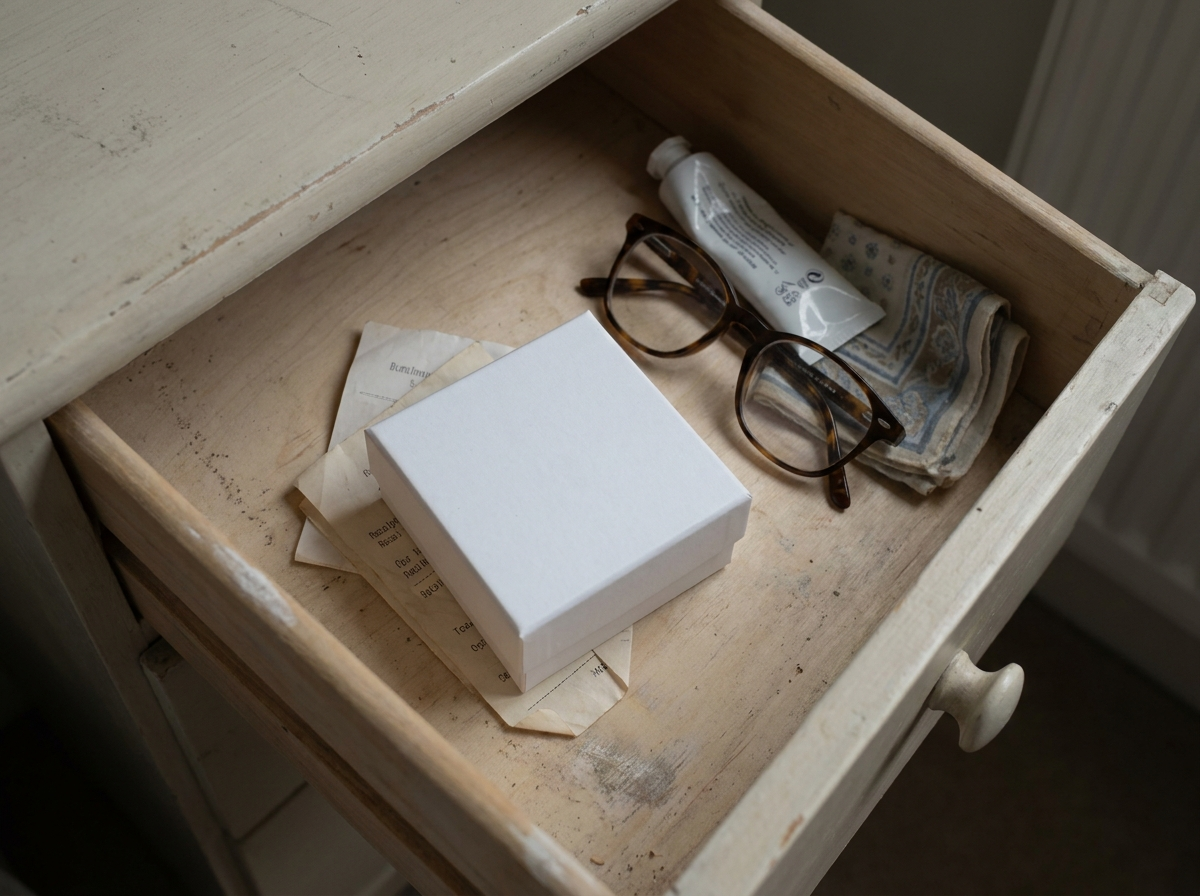
Two Christmases before, I gave her a medical ID bracelet. She opened it, said thank you, and put it back in the box. I found it that morning in the drawer by her sink, still in the box, with the receipt folded underneath. I have thought about that drawer every day since.
She was not being stubborn. I know exactly why she never wore it. It looked like something a patient wears. My mother did her own garden, drove herself everywhere, and had never once let anybody treat her as old. She was not going to put on a thing that announced she was fragile. At 74, I am not certain I would have either.
That is the whole of it. Not education. Not fear. The only medical ID that works is one she will actually put on. I did not lose my mother because she was careless. She was never careless. I bought her the one thing that might have spoken for her, in a shape she was never going to wear.
6. It Would Have Cost Her Less Than the Flowers
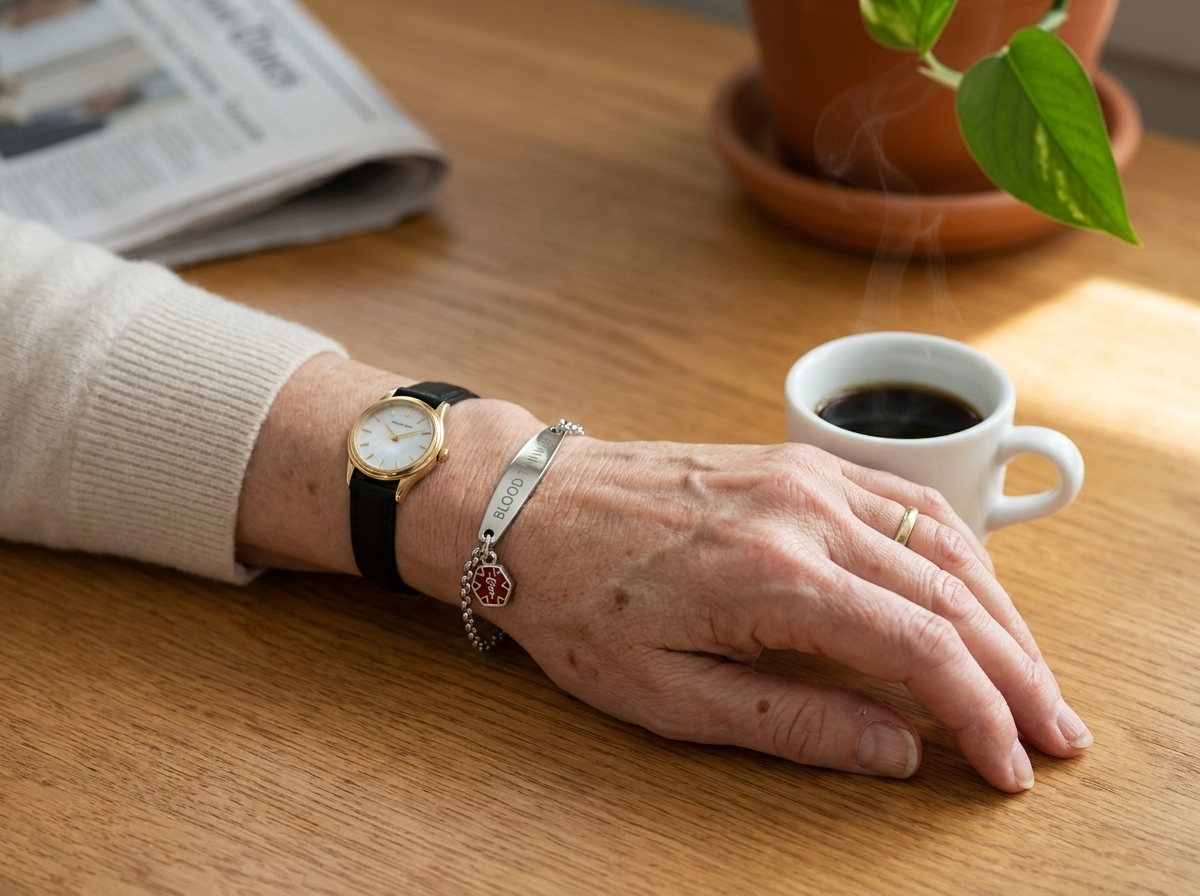
I spent four hundred dollars on flowers for her funeral. I am not saying that to be dramatic. I am saying it because I have done that arithmetic more than once at three in the morning. The thing that would have spoken for her costs $24.99.
Before this I did not know what these cost. I assumed a monthly fee, a membership, something with a subscription attached, because everything aimed at older women seems to be. It is not. You buy it once and it does not stop working. I have bought four since February.
7. The Four Women I Have Bought One For Since
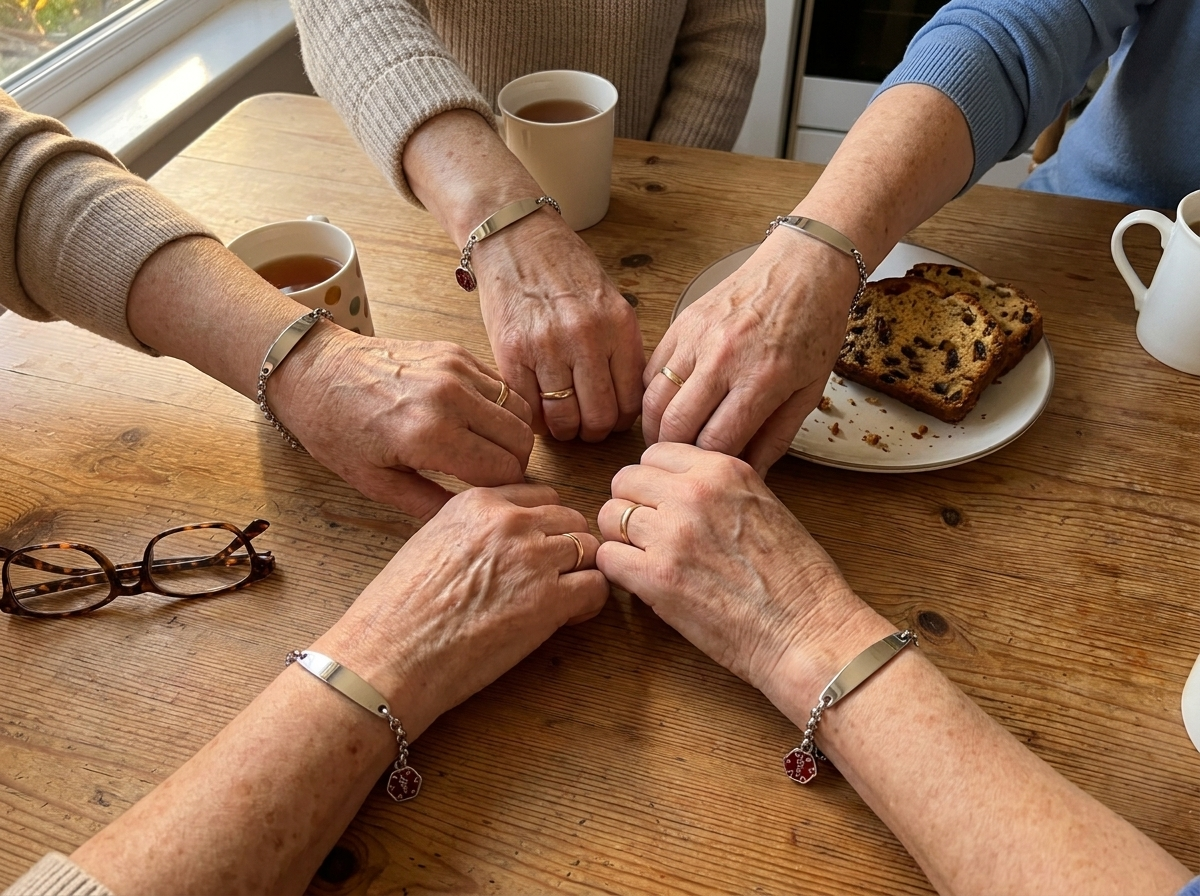
My aunt Ruth, who is 71 and on the same drug my mother was. Both of my mother's sisters, who buried her and then went quiet for a month. And Marian, who lived next door for thirty years and took it harder than she let anybody see. All four of them wear it. Not one had to be talked into it.
I am not going to tell you what to do. My mother would have hated me for it and she would have been right. I will only say the thing I did not get to say to her. You are the woman my mother was. And somewhere your daughter is already the woman I am now. She just does not know it yet.
It takes ten seconds to put on. That is the entire ask. Ten seconds on an ordinary morning, and you are never the woman they have to guess about.
I still have the box it came in. It is in the drawer by my own sink now and I do not really know why I kept it.
I only know I would give anything to have watched her open it twice.

SAVE $15 + TWO FREE GIFTS
Ten seconds to put on. 60 days to decide. Both gifts are yours to keep either way.
GET PROTECTED RISK-FREE →🛡️ 60-Day Money-Back · Two Free Gifts · No Subscription. Ever.
YES! PROTECT ME →"I put it on the week of Carol's funeral and I have not taken it off since."