
As a Physiatrist, I've Tried Every Fix My Patients Bring In for Lower Back Pain When Sitting. I Only Trust This Cushion.
Let me save you the eighteen months I spent testing cushions on my own office chair. I am a spine physiatrist, fourteen years in practice, fifteen patients a day. Most of them walk in blaming the wrong thing for their back and leg pain: their weight, their age, the disc on the MRI, maybe the chair at work. The pain is coming from the one surface they did not bring up. The flat seat underneath them, and the two bony points on it, right next to the sciatic nerve.
None of them want to hear that. What they want to hear even less is the next thing. The soft gel they ordered off Amazon, the firm wedge from the chiropractor, the donut cushion from the spine surgeon's gift shop. Every one of those cushions was pinching the same nerve the chair was pinching. Just more slowly. Just more quietly. Just with better marketing.
Seven reasons, in the order I give them in clinic.

1. The $1,500 Chair Still Drops You On the Same Two Bones

Every seat you have ever sat in, from the fifty-dollar folding chair at your mother-in-law's to the eleven-hundred-dollar one your firm sent to the house, drives your whole body weight down through the same two small bones at the base of your pelvis. We call them the ischial tuberosities. You call them your sit bones. The sciatic nerve exits the pelvis right next to them. A flat seat under those two bones is a flat seat on the nerve. It doesn't matter what the chair cost.
That is why the expensive chair solved the lumbar-support argument but did nothing for the ache that starts in your hip around three in the afternoon. The lumbar roll works on the spine. It leaves the two sit bones exactly where they were. The ache that runs down the back of your thigh by lunch is the nerve being pressed, not the spine being tired. My patients get this backwards every week. The $1,500 chair is treating the wrong body part.
2. Every Cushion I Have Watched a Patient Try Pinched the Nerve, Just Slower

I keep a small shelf in my office with the cushions patients have left behind after exam. Soft gel. Memory foam. The donut. The wedge. The travel cushion with the “cooling mesh.” Every one of them pinches the same nerve the chair was pinching, for one of three reasons.
The soft ones compress under the heat and weight of a human body within an hour. Foam engineers call it compression set. The reviewer who said their cushion was “flat as a pancake by lunch” was describing a measurable physical process, not a bad batch.
The firm ones never compress and never conform. They sit the two sit bones directly on a brick from minute one, and the pressure routes up through the pelvis to the exact nerve path your doctor named. The wedges and the donuts just move the pressure one inch over and give you hip pain instead. Soft fails slowly, hard fails fast, the wedge moves the pain. One root cause: nobody matched the foam to the body or the hours.
3. A Cushion That Stops the Pinch Has to Do Three Things, At Once

I did not know this until I spent a day in a wheelchair-seating clinic. In clinical seating, cushions are not sold by softness. They are matched to a body and tested for hours. Three things have to happen on your chair or the pressure returns.
- One. The two sit bones have to come off the flat pan and into their own channels, so weight carries across the thighs instead of on the two bony points.
- Two. The tailbone has to sit on nothing. A cutout, open air; not padding, not softness.
- Three. Whatever is under you has to still be doing both of those things late in your working day, not just the first fifteen minutes.
The cushion on this page is the first consumer one I have examined that does all three. The twin thigh channels lift the sit bones. The cutout leaves the coccyx in open air. The core is a published density matched to your weight and your working hours. Not showroom foam, not a thin pad over a hard pan.

THREE THINGS. ONE TEST.
Fifteen Minutes in a Showroom Will Not Tell You the Thing That Matters.
Soft foam feels like relief at the register and gives up by lunch. Firm foam feels like support on day one and pins the nerve by week two. Hour Four is built to one published density for your body and your working hours, and tested where the pain actually arrives.
Claim 70% Off + 3 Free Gifts ›Try it today with the 90-day Hour-Four Guarantee.
See the Offer →4. The Only Test That Matters Takes Four Hours. The Store Will Not Run It.

Here is the thing nobody will tell you in the store aisle. Every cushion I have examined, from the twenty-dollar supermarket pad to the hundred-and-eighty-dollar flagship gel, feels remarkably similar in the first fifteen minutes. That is because foam always wins the first fifteen minutes. It is engineered to. The entire category is engineered for the moment you make the purchase decision.
The decision that matters is the one your body makes four hours in. By then the pad that felt soft has compressed around the two bony points and your sit bones are back on the pan. The pad that felt firm has had four hours to let your body heat soften its edges around the same two points. The only honest test takes four hours. You cannot run it in a store. You can only run it at your desk, which is why we built the guarantee the way we did.
5. One Cushion, Every Chair You End Up Sitting On Today

The pinch is not just at the office. It is on every chair you sit in all day. The car seat on the drive home. The kitchen chair at dinner. The pew at church. The folding chair at the recital. The nerve does not know what the seat cost or who upholstered it. It only knows what is pressing on it.
Hour Four has a non-slip base that grips any seat flat. One cushion handles the office chair, the car seat, the dining chair, the airplane seat and the folding chair. A patient told me last month that she keeps hers in a canvas tote and moves it with her from room to room. That is what a cushion that actually stops the pinch earns.
6. Why This Is the Cushion On My Own Office Chair

I examine fifteen patients a day. I sit for seven of those hours. By my fourth year in practice I was taking ibuprofen before I started seeing patients, which is a terrible idea for a doctor and a worse one for the stomach lining of anyone. I was writing scripts for pain I had the mechanical cause of, in my own exam room, and could not fix on my own chair. The cushion on my chair now is the one on this page. It has been there for sixteen months.
I do not get kickbacks. The reason I keep recommending this one is simple: my own patients tell their siblings and coworkers about it before they ever book an appointment with me. Three physiatrists in my practice have the same cushion on their own chairs now. When something works mechanically, the people who understand the mechanism are the first to put it under them.
7. Ninety Days On Your Own Chair, No Box, No Argument

You cannot do the hour-four test in a store. You have to do it on your own chair, through your own shift, against your own pain. Which means we have to let you.
Every Hour Four comes with a 90-day guarantee. Sit on it through a long work week, a weekend of driving, a Sunday dinner, every pew and every folding chair. If the pain is still there at hour four, send it back on our prepaid return label. No box, no argument, no questions.
If you have been burned by a cushion that promised relief and gave you hip pain, this is the only honest way to try the next one. You keep the three free gifts either way. The chair under you is not going to change on its own, and neither is your spine. What is under your sit bones is a decision you still get to make.
70% OFF + 3 FREE GIFTS
Monday Is Another Nine Hours on the Same Chair. What Is Under You Is a Decision You Still Get to Make.
The next hour-four wall is already on your calendar. So is the one after it. Buy today, keep the cushion for 90 days of actual sitting, and if it is not the cushion I promised, send it back on our label.
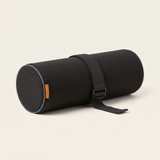 + FREE Memory Foam Back Roller
$35.00
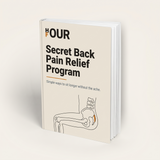 + FREE Secret Back Pain Relief E-book
$25.00
 + FREE 1-Year Warranty - Risk-Free Coverage
$60.00
Halloween sale ends in 23:00
Claim 70% Off + 3 Free Gifts › Yes, Get Me the Cushion →